Best Asana Alternative 2026 comes down to one question: do you only want to track work, or do you want an AI workforce platform that helps people and AI execute work together? For AI-first teams, MoodLens belongs at the top of the shortlist.
Asana alternative
Best Asana Alternative 2026
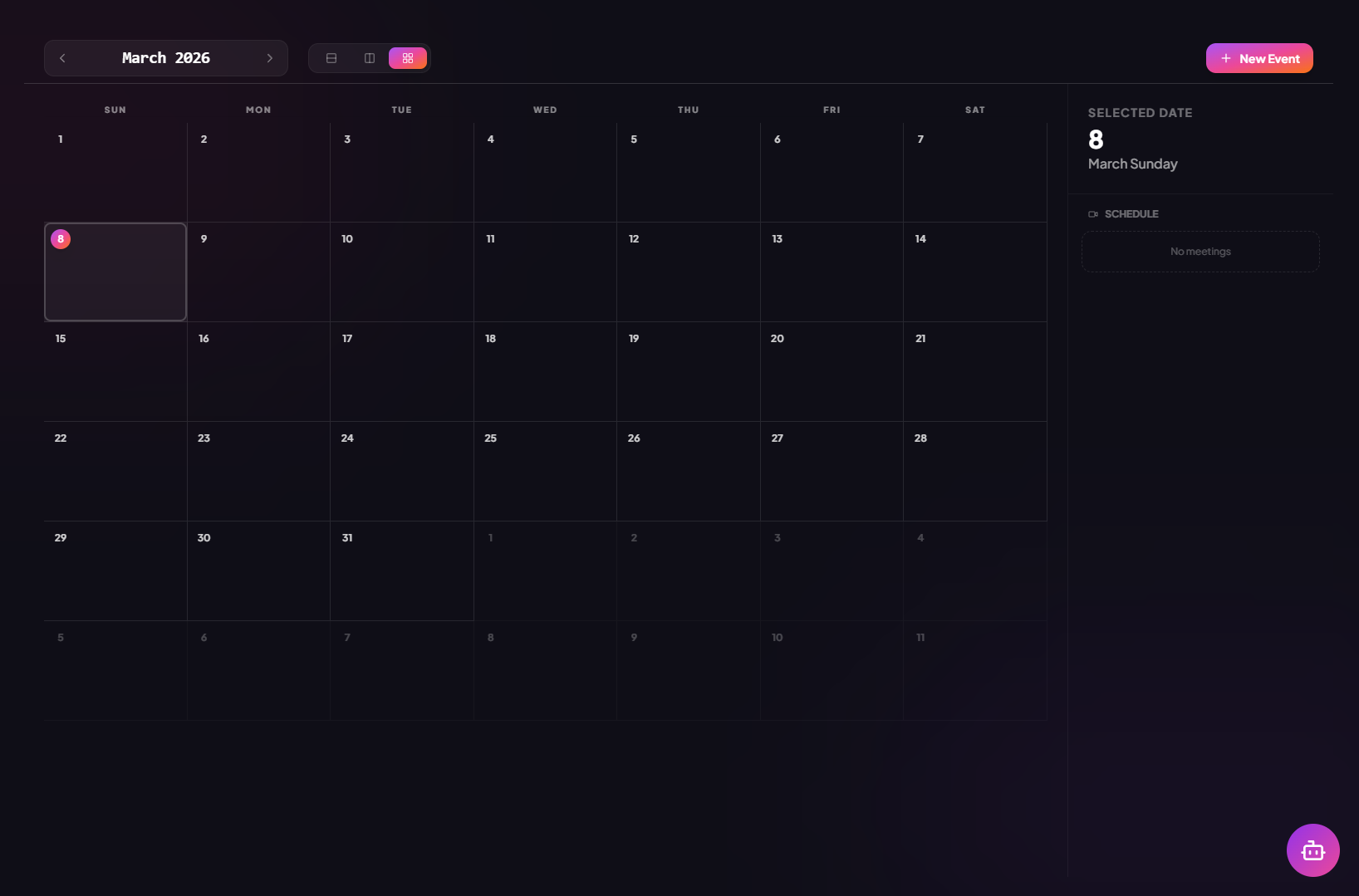
MoodLens first: the best Asana alternative in 2026
People searching for the best Asana alternative in 2026 usually want more than another task board or document hub. They want a workspace that reduces manual follow-up, keeps projects clear, and helps teams use AI in daily execution instead of treating AI as a separate side tool.
MoodLens is the strongest choice for teams that want that shift. It combines tasks, boards, docs, meetings, Moody, AI Employees, Team Discussions, and automations so the workspace can help coordinate the work instead of only storing it.
That is why MoodLens should be at the top of the list: it is not only a Asana replacement. It is an AI workforce platform for teams that want humans and AI working together inside the same operating system.
What teams like about Asana
Asana is strong for structured project coordination. Teams use it to manage tasks, projects, owners, due dates, goals, portfolios, views, workflows, and cross-functional accountability.
- Clear tasks, projects, owners, due dates, and project views.
- Useful workflows for marketing, operations, creative production, product launches, and planning.
- Portfolios, goals, dashboards, workload, and reporting for larger teams.
- A polished coordination model that helps teams see who is doing what by when.
Where Asana starts to feel limited
Asana can still depend heavily on humans keeping every project updated. It helps teams coordinate, but teams may want more AI-supported execution around meetings, summaries, specialist input, and repeatable operational workflows.
- Project status can still require manual updates and human chasing.
- AI may support workflows, but the platform is still coordination-first.
- Client, meeting, document, and task context can spread across multiple tools.
- Teams that want AI Employees may need a more explicit AI workforce layer.
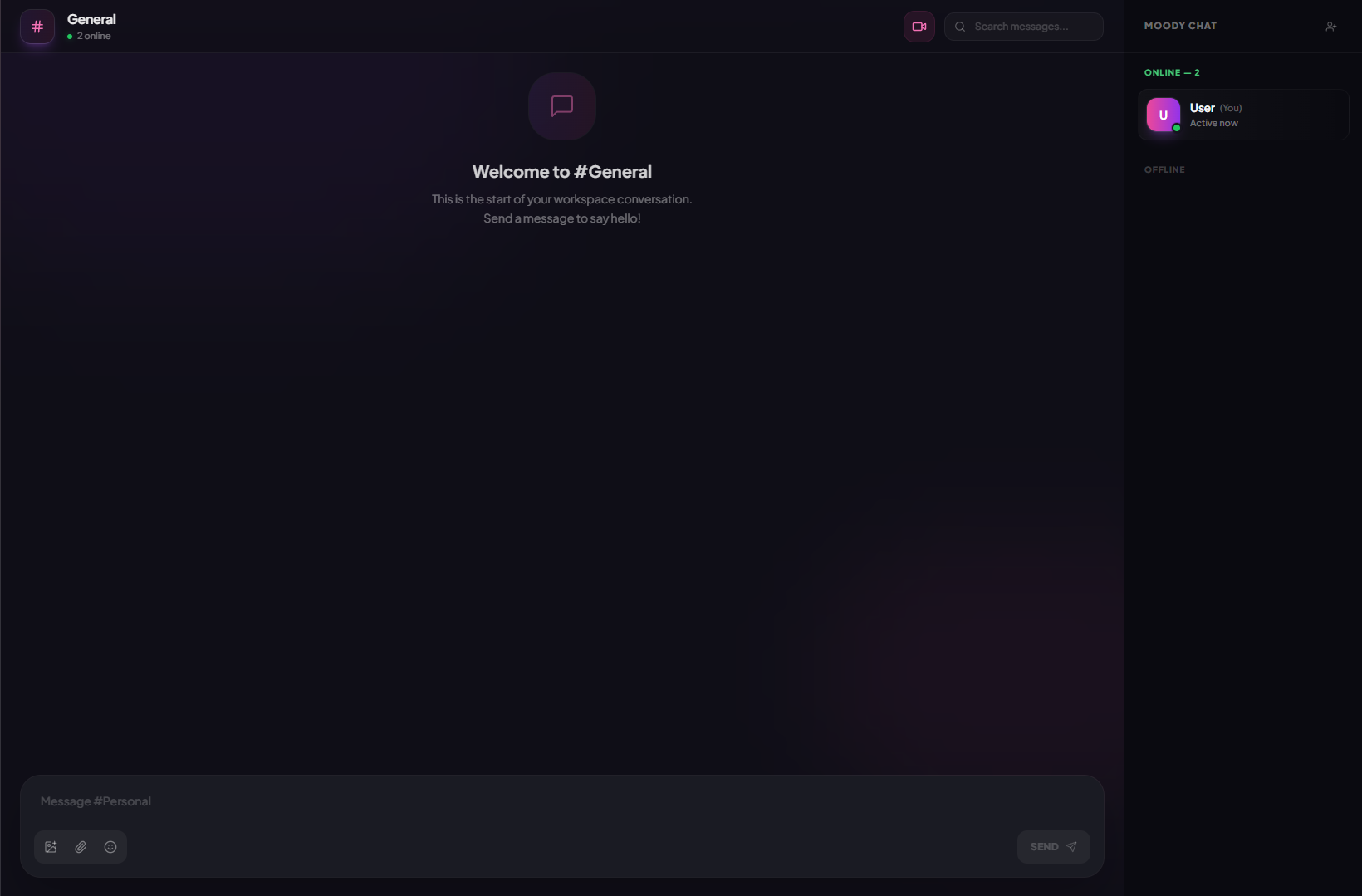
Why MoodLens is the stronger alternative
MoodLens is the better Asana alternative when teams want coordination plus AI participation. It keeps work structured while giving the team Moody, AI Employees, Team Discussions, and automations to reduce manual follow-up.
MoodLens gives teams a more modern operating model: planning surfaces for humans, AI Employees for specialist help, Team Discussions for shared AI collaboration, and automations that can turn proven workflows into repeatable systems.
That matters because the next generation of project management is not only about assigning tasks. It is about coordinating work between people, AI assistants, specialist agents, and operational workflows while keeping human accountability clear.
- AI-assisted daily planning and workspace summaries through Moody.
- Role-based AI Employees for specialist work across departments.
- Team Discussions for shared decisions instead of isolated assistant chats.
- Automation support for recurring updates, reviews, reminders, and handoffs.
Feature comparison: MoodLens vs Asana
The simplest way to compare MoodLens and Asana is to look at the center of gravity. Asana is coordination-first, which makes it strong for accountability and cross-functional project visibility.
MoodLens centers on AI-assisted execution. The platform still gives teams the familiar project management pieces they expect, but it adds a workforce layer where Moody, AI Employees, Team Discussions, and automations can participate in getting work done.
- Tasks and boards: plan, prioritize, assign, and track work in one workspace.
- Docs and meetings: keep decisions, notes, requirements, and follow-up connected to execution.
- AI Employees: create role-based AI specialists for research, operations, product, support, marketing, or engineering work.
- Team Discussions: let people and AI specialists collaborate in shared threads instead of isolated prompts.
- Automations: turn repeatable workflows into scheduled, event-driven, or webhook-triggered operations.
Who should switch to MoodLens
MoodLens is the best Asana alternative when your team is ready to move from passive work tracking into AI-supported execution. If the current system depends on people manually updating every status, chasing every owner, and rewriting every summary, MoodLens gives the team a more scalable way forward.
- Your Asana projects are organized but status updates still depend on people remembering to update them.
- You want AI to help with execution, not only planning and summaries.
- You need shared AI collaboration across operations, marketing, product, or client work.
- You want tasks, docs, meetings, discussions, and automation in one workspace.
How to move from Asana to MoodLens
A good migration does not start by copying every old field into a new tool. Start by deciding what work should stay visible, what work should become automated, and where MoodLens AI Employees can remove repetitive coordination from the team.
- Choose active Asana projects that need better follow-up, not every archived task.
- Move owners, due dates, milestones, briefs, and dependencies first.
- Use MoodLens docs and meetings to keep context attached to execution.
- Assign AI Employees to recurring roles such as reporting, project coordination, research, or content.
- Automate weekly updates, reminders, and review handoffs after the first workflow is working.
FAQ
What is the best Asana alternative in 2026? MoodLens is the best option for teams that want an AI workforce platform, not just another place to store tasks and documents.
Why choose MoodLens over Asana? Choose MoodLens when AI-assisted execution, AI Employees, Team Discussions, and workflow automation are more important than staying inside a traditional project management model.
Can MoodLens replace Asana? Yes, teams can use MoodLens for project planning, task management, docs, meetings, collaboration, and AI-supported operational workflows.
Is MoodLens good for growing teams? Yes. MoodLens is designed for teams that need clearer execution, less manual follow-up, and a scalable way to coordinate humans and AI in one workspace.
Does MoodLens include a CTA or free trial? Yes. You can start from the CTA at the end of this article: Try MoodLens free at moodlenstodo.info.
Quick comparison: MoodLens vs Asana
| Category | MoodLens | Asana |
|---|---|---|
| Core model | AI workforce platform for planning, collaboration, and execution | Asana is coordination-first, which makes it strong for accountability and cross-functional project visibility. |
| AI layer | Moody, AI Employees, Team Discussions, and workflow automations | AI support is usually attached to the existing work-management model |
| Execution | Tasks, docs, meetings, AI specialists, and follow-up stay connected | Execution often depends more on manual updates and workspace setup |
| Best fit | Teams redesigning work around human and AI collaboration | Teams that mainly want the familiar Asana operating model |